
Buying a Home in Texas: Your Complete Guide

Buying a home in Texas is both exciting and rewarding. With its thriving cities, diverse communities, and affordable housing options, Texas continues to attract first-time homebuyers, families, and investors from across the country. Whether you’re dreaming of a ranch-style home near San Antonio or a historic property in Fort Worth, understanding the homebuying process can help you make confident, well-informed decisions.
This guide walks you step by step through buying a home in Texas—from preparing your finances to closing day—while offering practical tips on property taxes, down payments, insurance, and more.
Why So Many People Are Buying Homes in Texas
Texas offers a unique mix of economic growth, cultural diversity, and affordable living. The state’s rich culture and friendly communities make it an ideal place to settle down. Cities like Austin, Dallas, and San Antonio are thriving hubs for jobs and quality of life, while smaller towns offer space, serenity, and lower home prices.
Many buyers are drawn to Texas because it has no state income tax, and property values have historically appreciated steadily. Combined with competitive tax rates and favorable lending conditions, it’s no wonder Texas remains one of the hottest real estate markets in the country.
Getting Familiar with the Texas Homebuying Process
The homebuying process in Texas can differ slightly from other states, especially when it comes to recording fees, property taxes, and closing requirements. In general, you’ll follow these five steps:
- Get pre-approved by a mortgage lender.
- Find a licensed real estate agent familiar with your chosen city or county.
- Make an offer letter once you find the right property.
- Complete the appraisal, home inspections, and financing process.
- Close on your new Texas home and receive your keys.
Each stage has its own costs, paperwork, and decisions. Working with experienced professionals can help you avoid delays and costly mistakes.
Setting a Realistic Homebuying Budget
Before you begin house hunting, it’s critical to create an accurate budget. In Texas, home prices can vary widely by region. For example, homes in Fort Worth may cost less per square foot than those in Austin or Dallas.
Your budget should include not only the purchase price but also expenses like:
- Closing costs (title, inspection, appraisal, attorney fees)
- Property taxes (which vary by county)
- Homeowner’s insurance premiums
- HOA dues or community fees, if applicable
- Moving and furnishing costs
Use an online mortgage calculator to estimate your monthly mortgage payment and confirm that your income, interest rate, and down payment align with your goals.
Understanding Property Taxes in Texas
Property taxes in Texas can represent a significant portion of your annual homeowner expenses. They are based on your home’s appraised value and the tax rate set by your local county or city.
Each Texas county has unique rates, and certain areas—like suburban communities—may include additional taxes for schools or infrastructure. You can often qualify for exemptions that reduce your tax bill. For example, veterans, senior citizens, and disabled homeowners can apply for property tax exemptions through the Texas Department of Housing and Community Affairs (TDHCA) or local county offices.
How Real Estate Agents Improve the Buying Experience
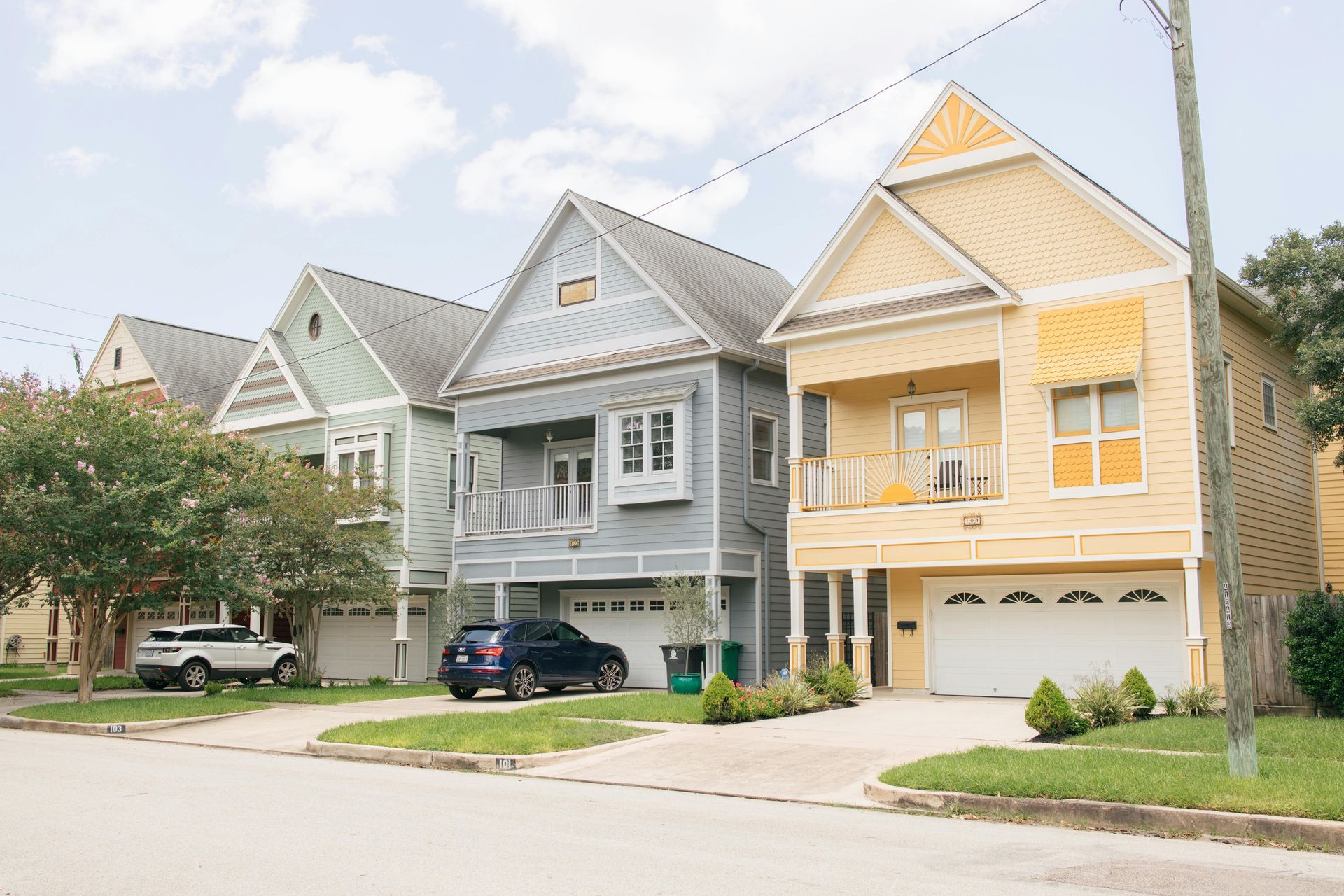
Working with an experienced real estate agent can save you time, money, and stress. Local agents understand current market conditions, typical home prices, and community trends.
In competitive areas like San Antonio and Fort Worth, your agent helps you create compelling offer letters, negotiate fairly, and coordinate with the seller and lender to ensure a smooth closing. They can also provide valuable insights into community affairs, school districts, and neighborhood amenities.
Choosing the Right Location for Your Texas Home
Location plays a crucial role in your property’s current value and future investment potential. When deciding where to live, consider factors such as:
- Employment opportunities in nearby cities
- Quality of schools and healthcare
- Commute times and local traffic patterns
- Crime statistics
- Access to parks, restaurants, and stores
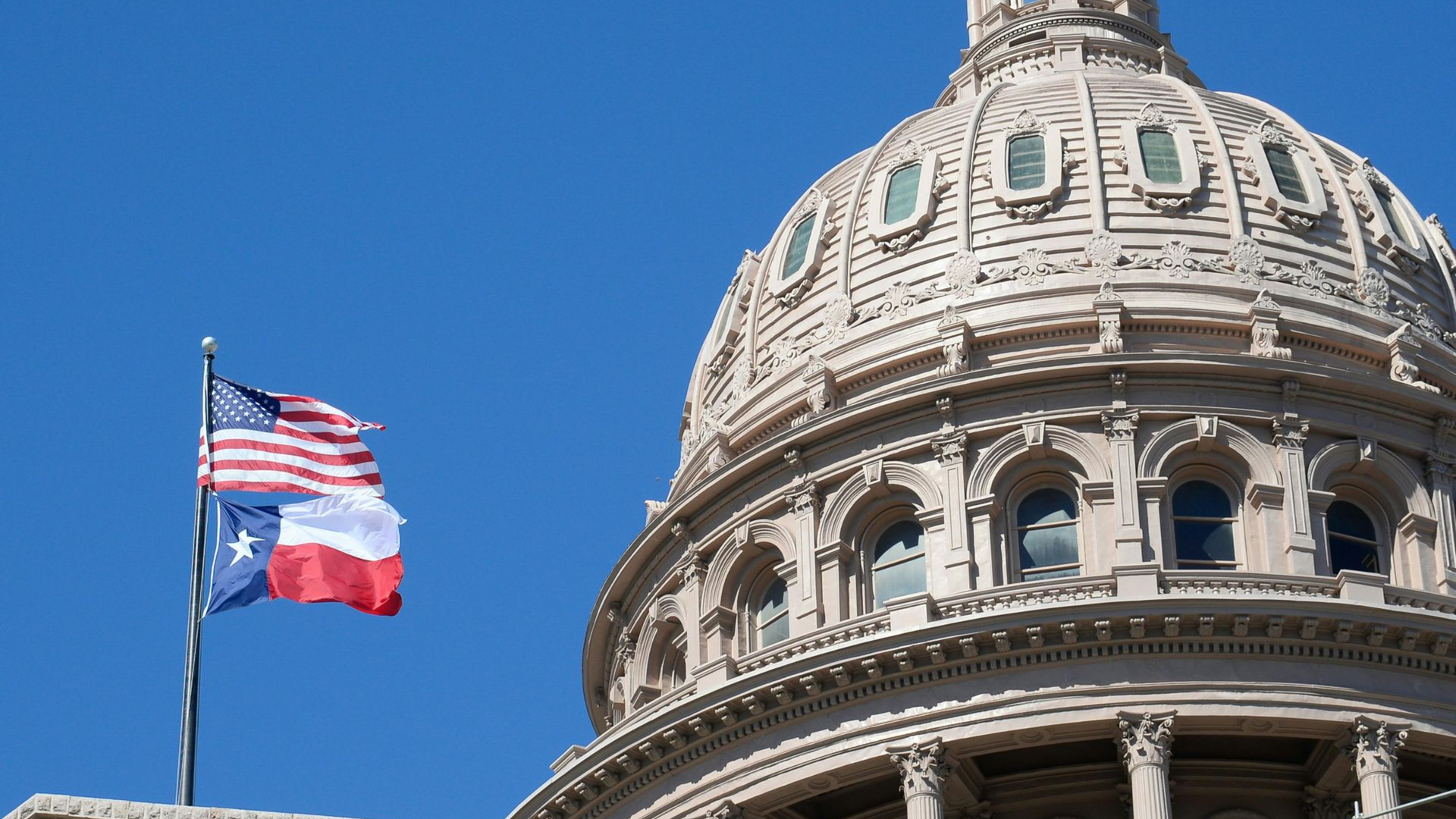
Each Texas county offers a distinct lifestyle. San Antonio boasts rich cultural history, Fort Worth blends city excitement with small-town charm, and Houston offers diverse neighborhoods and a robust job market.
Estimating Your Down Payment
Your down payment influences how much you borrow, your interest rate, and the total cost of your mortgage payment. Most lenders require anywhere from 3% to 20% down, though first-time homebuyers may qualify for lower amounts through special programs.
In Texas, saving for a down payment is one of the biggest challenges buyers face, especially as home prices increase across major metro areas. A larger down payment not only reduces risk for your lender but can also lower your monthly payments and help you avoid private mortgage insurance (PMI).
Exploring First-Time Homebuyer Programs in Texas
Texas offers several helpful resources for those purchasing their first house. The Texas Department of Housing and Community Affairs (TDHCA) provides programs that include:
- Down payment and closing cost assistance
- Low or fixed interest rate mortgages
- Educational courses on credit and homeownership
Some local cities and counties also offer payment assistance to help families qualify for financing. Be sure to explore these programs early in your homebuying process to increase your chance of approval.
Getting Pre-Approved with Your Lender
Before touring homes, talk with most lenders about getting pre-approved. This step clarifies how much you can afford and proves to sellers that you’re a serious buyer.
During pre-approval, you’ll share employment history, income, credit scores, and debt information. Once your lender verifies your financial situation, they’ll provide a loan estimate with projected fees, interest rates, and monthly payments.
At Joonago Mortgage Services, pre-approvals are fast, accurate, and tailored for Texas markets, giving you a competitive edge in multiple-offer situations.
Comparing Loan Types and Interest Rates
Texas lenders offer a range of loan products to fit different needs, including:
- Conventional mortgages
- FHA loans for first-time homebuyers
- VA loans for veterans
- USDA loans for rural Texas properties
Your interest rate depends on your credit profile, income, and loan size. Monitoring rate trends helps you save over the life of your mortgage. Many Texans choose fixed-rate mortgages for payment stability in a fluctuating market.
Understanding Closing Costs and Recording Fees
Every property purchase involves closing costs and recording fees. These typically amount to 2%–5% of your loan amount.
Typical costs include:
- Lender and appraisal fees
- Title insurance
- Escrow deposits for taxes and insurance
- Documentation or recording fees
- Real estate agent commission splits (usually paid by the seller)
Review your closing disclosure carefully before signing to ensure all items are accurate and fair.

Protecting Your Investment with Homeowner’s Insurance
A key part of owning a home in Texas is protecting it with comprehensive homeowner’s insurance. Severe weather events and property damage can occur unexpectedly, so having coverage gives you peace of mind.
Most policies protect against fire, theft, wind, and liability. Depending on your location, you may need additional flood or hail coverage. Lenders require proof of insurance before funding your mortgage, and bundling policies can help you save money each year.
Home Inspections and Appraisals: Why They Matter
Before finalizing a sale, two critical evaluations take place—home inspections and appraisals. The inspection examines the home’s structure, systems, and safety to ensure there are no hidden issues. The appraisal determines your home’s fair market value, confirming it meets the lender’s requirements.
If problems arise during inspection, you can negotiate repairs or price adjustments with the seller before closing. These steps protect your investment and help avoid unexpected costs after moving in.
Community Matters: Finding the Right Fit
Buying a Texas home is not just about the property—it’s about becoming part of a community. Whether you crave big-city life in Dallas or peaceful evenings in a Hill Country town, Texas offers something for everyone.
Visit local parks, join neighborhood events, and talk with residents before finalizing your purchase. You’ll get a stronger sense of whether the lifestyle, schools, and values match your needs and long-term goals.
Making Your Mortgage Payment Work for You
Once you’ve closed, creating a long-term payment plan helps maintain financial stability. Some homeowners choose to make biweekly payments to shorten their loan term and reduce interest.
Staying current with taxes, insurance, and maintenance ensures your home’s value continues to grow. Over time, you’ll build equity—wealth that can benefit your family for generations.
Why Work with Joonago Mortgage Services
Buying a home in Texas should be exciting, not overwhelming. At Joonago Mortgage Services, we guide you through every stage—from pre-approval and program selection to closing and beyond.
Our team specializes in helping first-time homebuyers, veterans, and families achieve their dream of homeownership. With transparent communication, competitive interest rates, and a commitment to customer care, we make the homebuying process simpler, smoother, and stress-free.
If you’re ready to explore your options and discover the true meaning of owning a Texas home, contact Joonago Mortgage Services today. Let’s turn your dream home into your new address.